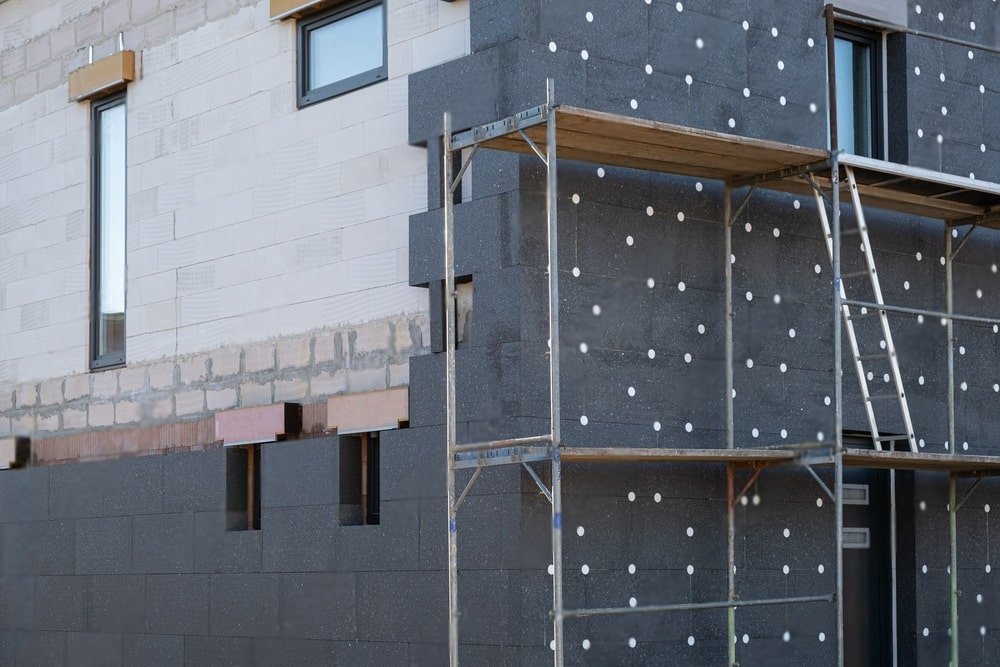
A properly insulated house will consume much less heat energy, so the costs for solid fuel, gas or electricity (depending on the heating system used) will be cheaper. The difference between an uninsulated house and a properly insulated house is the cost of facade insulation in just a few years, so this investment pays off quickly.
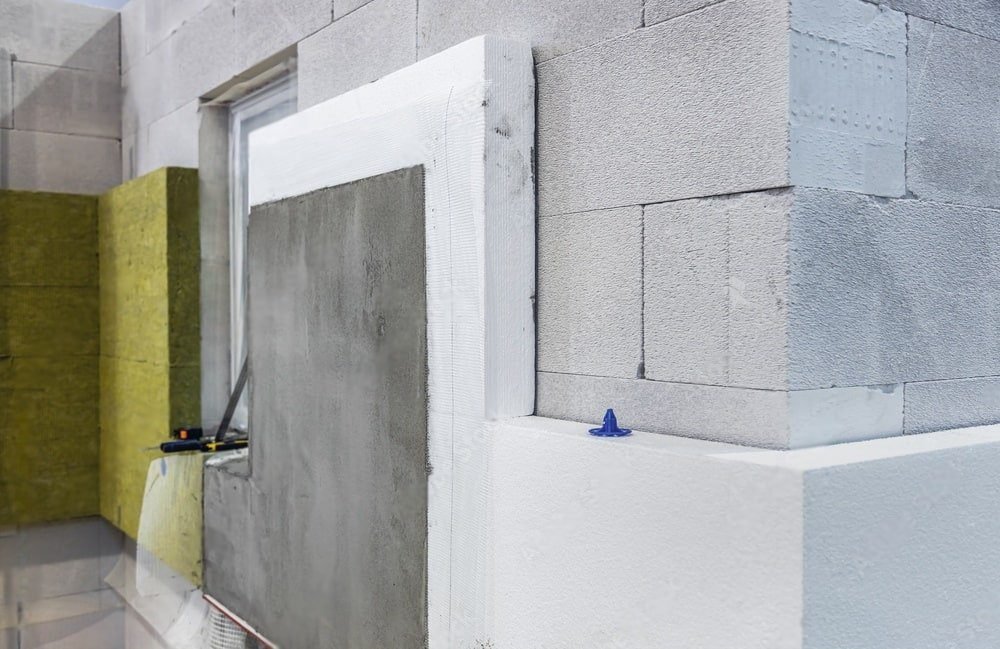
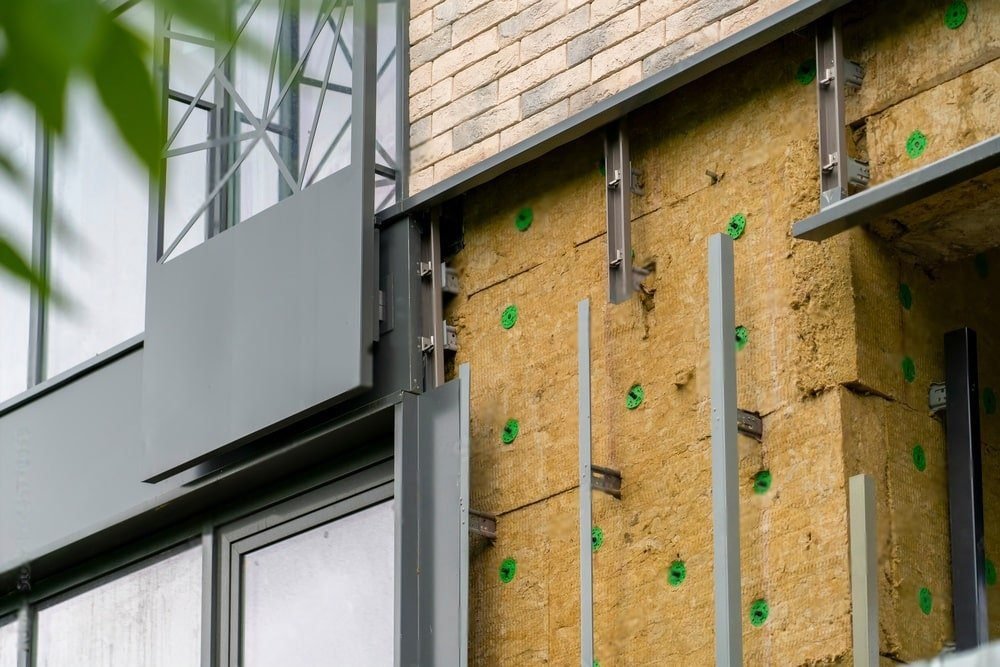
Facade insulation cannot be done "in a row". Careful preparation and planning is essential. The first step is to carry out an accurate assessment of the properties and characteristics of the house or other building that will be insulated. Work begins only when the building's structures and existing condition are examined, and suitable materials and insulation methods are selected. A typical insulation process consists of three main stages: gluing, strengthening and plastering.
How the work goes
- 1
Enquiry
Call us or fill in the form. We discuss what you need.
- 2
Site visit & estimate
We visit the site, take measurements and prepare a detailed estimate.
- 3
Contract & works
We sign a contract with deadlines and start. You are kept informed throughout.
- 4
Handover
We inspect the result together, clean up the site and hand it over.
Frequently asked questions
What are the best materials to use for facade insulation?
Two materials are most commonly used: polystyrene (foam) and rock wool. Polystyrene - economical, light, retains heat well. Stone wool - better sound insulation, is non-flammable and allows the walls to "breathe". The choice depends on the building type, budget and fire protection requirements.
When is it best to insulate the facade?
The optimal time is spring, summer or early autumn, when the air temperature is +5°C to +25°C. It is important that there is no precipitation and strong wind, as this can worsen the adhesion of the materials.
Does facade insulation help reduce heating costs?
Yes, a properly insulated facade can reduce heat loss by up to 30-40%. This allows you to significantly reduce heating bills, improve the energy class of the house and increase its value.